
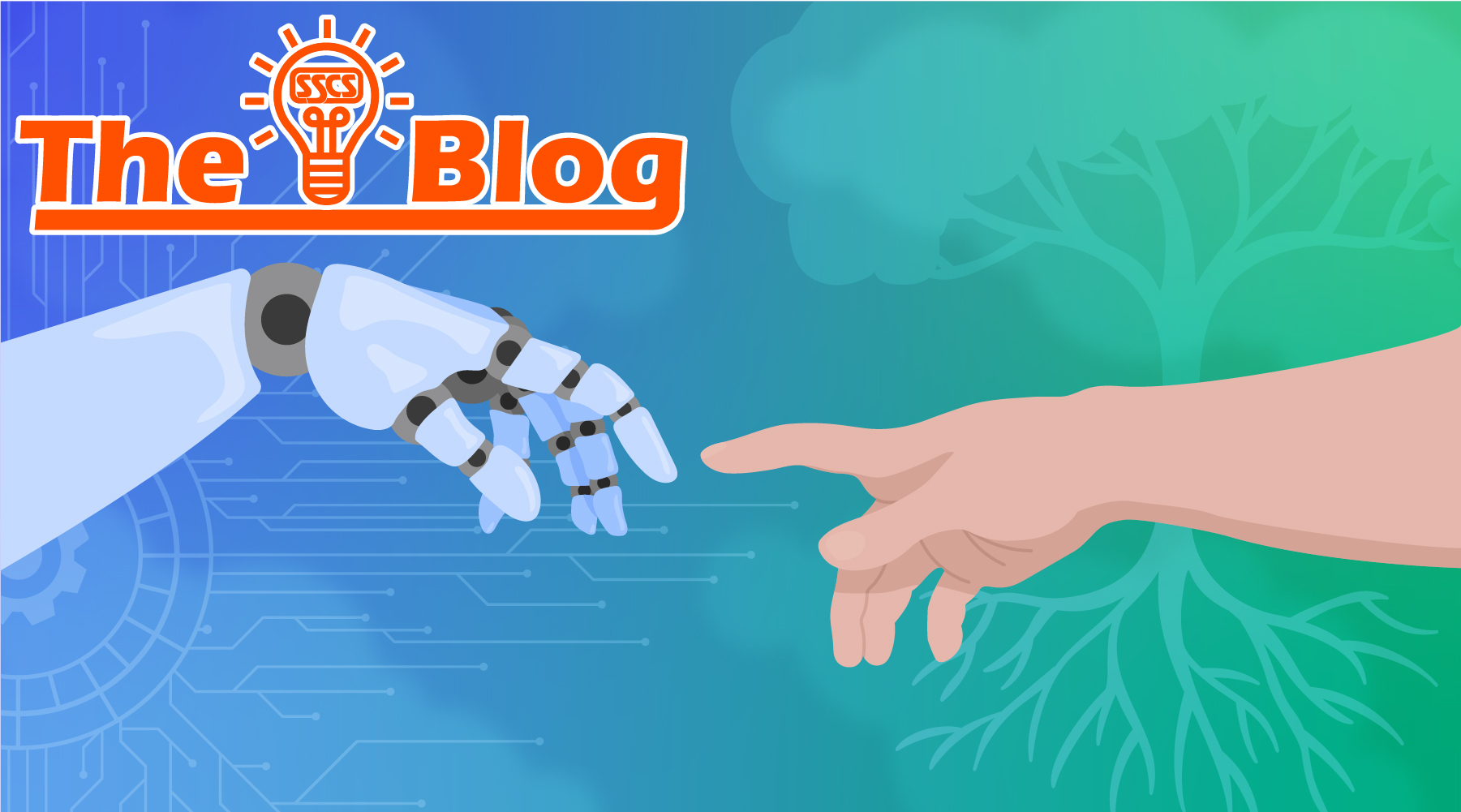
Technology Runs the Numbers; the People Run the Store
The c-store business is a people business and nothing will change that.
Artificial Intelligence (AI) is getting a lot of attention these days. To bring a little perspective to the discussion, we thought it might be time to refocus on what c-store staff and management do that AI absolutely cannot do.
For our industry, it’s a good point to make, given that the convenience retail business is a people business at its most fundamental. So it makes sense that the growth and sustainability of a c-store business relies on the quality of the human relationships it creates.
Customer relationships head the list, and rightly so: convenience retail has always benefited from personal relationships. When staff recognizes regulars, remembers their preferences, and has that five-second exchange that makes a customer feel welcome—it’s something no machine can replicate. Those human interactions may seem small, but they are part of what makes a local store different and memorable, a place the customer wants to return to.
Employees are a valuable resource that can be developed over time into a genuine asset, and no one is better suited to do that than the people managing the store. A manager can recognize someone who is doing a great job, coach someone who is struggling, teach a new skill, or figure out what motivates a particular employee. Good supervision requires knowing the person, not just the performance numbers. Those observations require human judgment and communication.
The Unexpected comes with convenience retail territory; situations are always occurring for which there is no playbook: A delivery arrives late. A refrigeration problem develops. A piece of equipment stops working. A sudden storm changes traffic patterns.
A manager can assess the circumstances and make a judgment call based on experience and common sense, as well as a continuing understanding of the developing situation. These factors are difficult to quantify. The best managers have spent years developing instincts and intangibles to sort things out in these kinds of situations.
The neighborhood for a c-store comes in many different forms, but whatever the specifics of the retail locality, that market will have its own characteristics that need to be noted and attended to by the retailer. These can evolve over time.
Staff knows know things that don’t necessarily appear in a report. They hear customers talking. They notice changes in traffic. They know which products people ask for and which ones sit untouched. They understand the businesses, schools, neighborhoods and roads surrounding their stores. Much of that information can eventually find its way into a data system. But managers often know things before they become data.
For more than a century, retailers have adopted machines and technology to handle work that once required considerable human effort. Mechanical equipment multiplied physical strength. Computers multiplied our ability to calculate and organize information.
But the store still needs someone who knows the customers, leads the employees, understands the neighborhood and makes the call when something unexpected happens. That’s a given.
Of course, when you add SSCS Technology into the mix, you may find that you suddenly have a lot more time to pursue management excellence beyond the numbers. Don’t take our word for it, though. Give us a call at (800) 972-7727 and we can have a discussion on this and other technology-related subjects.

Leave A Comment