
Seizing Control of the Lottery Scratcher Cycle
For an operator, it’s far more than a simple game.
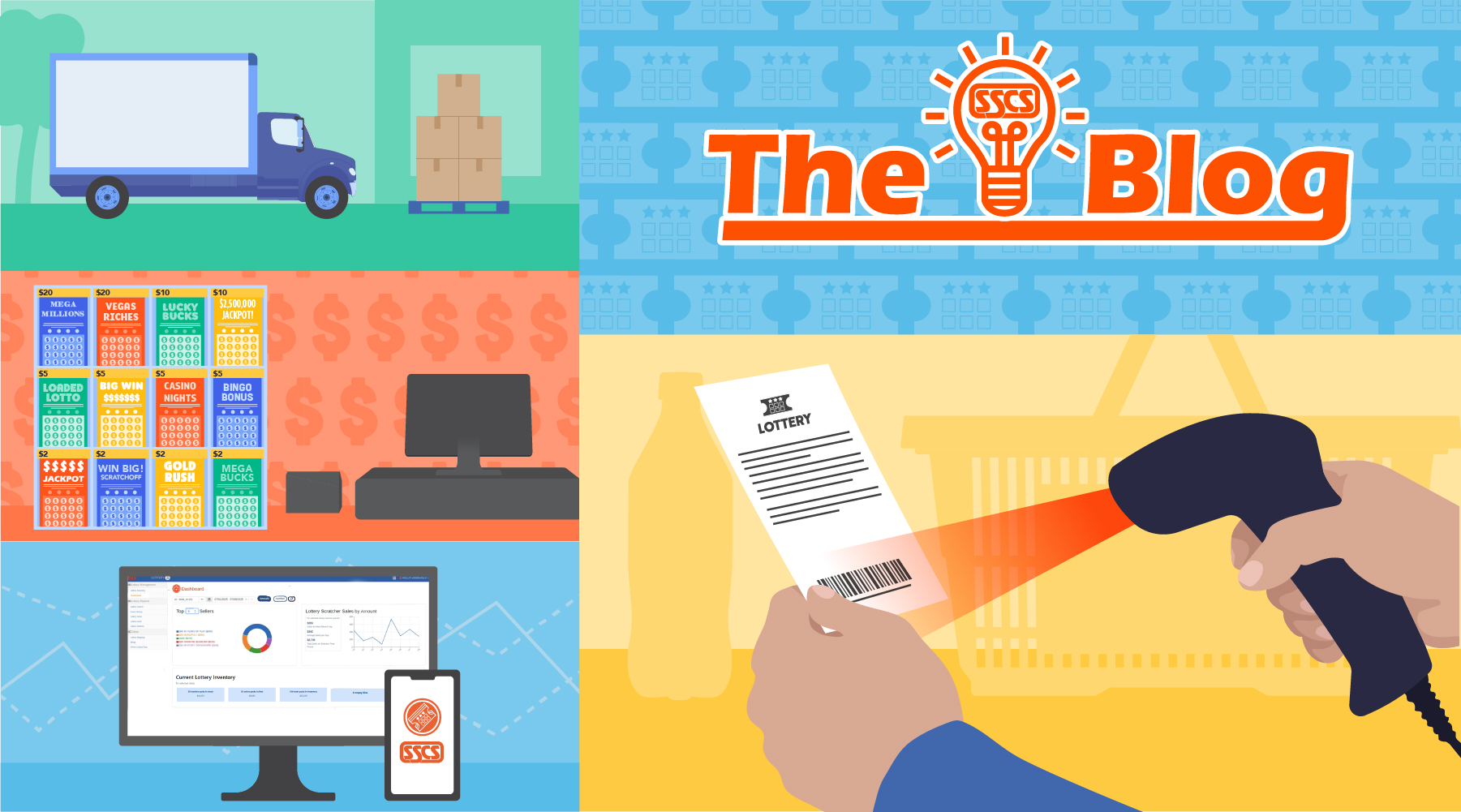
The operational cycle for c-store lottery scratchers is relatively compact with predictable, repeatable steps. Even so, precision management of the process is necessary. And though a cycle is by definition continuous, for this post we’re marking the starting point as when lottery tickets arrive at the store from their source, each carrying identifying information (in the form of a bar code) that links the individual ticket to its game pack. The pack is then either activated and placed into a bin, or put away and stored for later replenishment. Setting games up correctly establishes the foundation for everything that follows, like any beginning inventory count.
After the activation of ticket packs, the lottery transaction appears relatively straightforward. A customer selects a ticket, the cashier processes the sale through the POS, and the ticket enters circulation. If the customer wins, that win must be validated and, when appropriate, paid by the retailer. That gives a lottery transaction two different sides: ticket sales generate revenue; winning claims create a lottery paidout.
The activated lottery tickets are counted at regular intervals to track sales. Each ticket is associated with a sequence number, the current count beginning with the last recorded count. When a pack runs out, a new one is assigned to the now empty bin. When a game expires or stops selling, it can be retired and replaced. These inventory movements matter—we’re talking about trackable units complete with their own sales history—and need to be reconciled accurately.
The count recorded by the operator can then be compared with POS sales information to identify differences between what the store recorded selling and what its physical inventory indicates. Discrepancies don’t automatically establish theft, but they can point to errors, unrecorded activity, or potential losses—all of which deserve investigation, which in turn is best complemented by robust reporting that gives retailers several ways to comb through scratcher activity. The objective isn’t simply to produce more numbers; it’s to make those numbers useful.
SSCS’s Lottery Management software was designed to match up with the lottery scratcher process, providing operator insight and management control for every step in the cycle, locking in profit. A handheld scanning application combined with web-based administrative tools help operators configure bins, record deliveries, perform ticket counts, manage refills, track game activity, and examining sales with a dashboard and in reports. With the right information moving through the system, lottery management becomes less about keeping track of individual tickets and more about understanding the performance and accountability of the entire operation. Give us a call at (800) 972-7727 and find out more about seizing control over your lottery management process.




Leave A Comment