
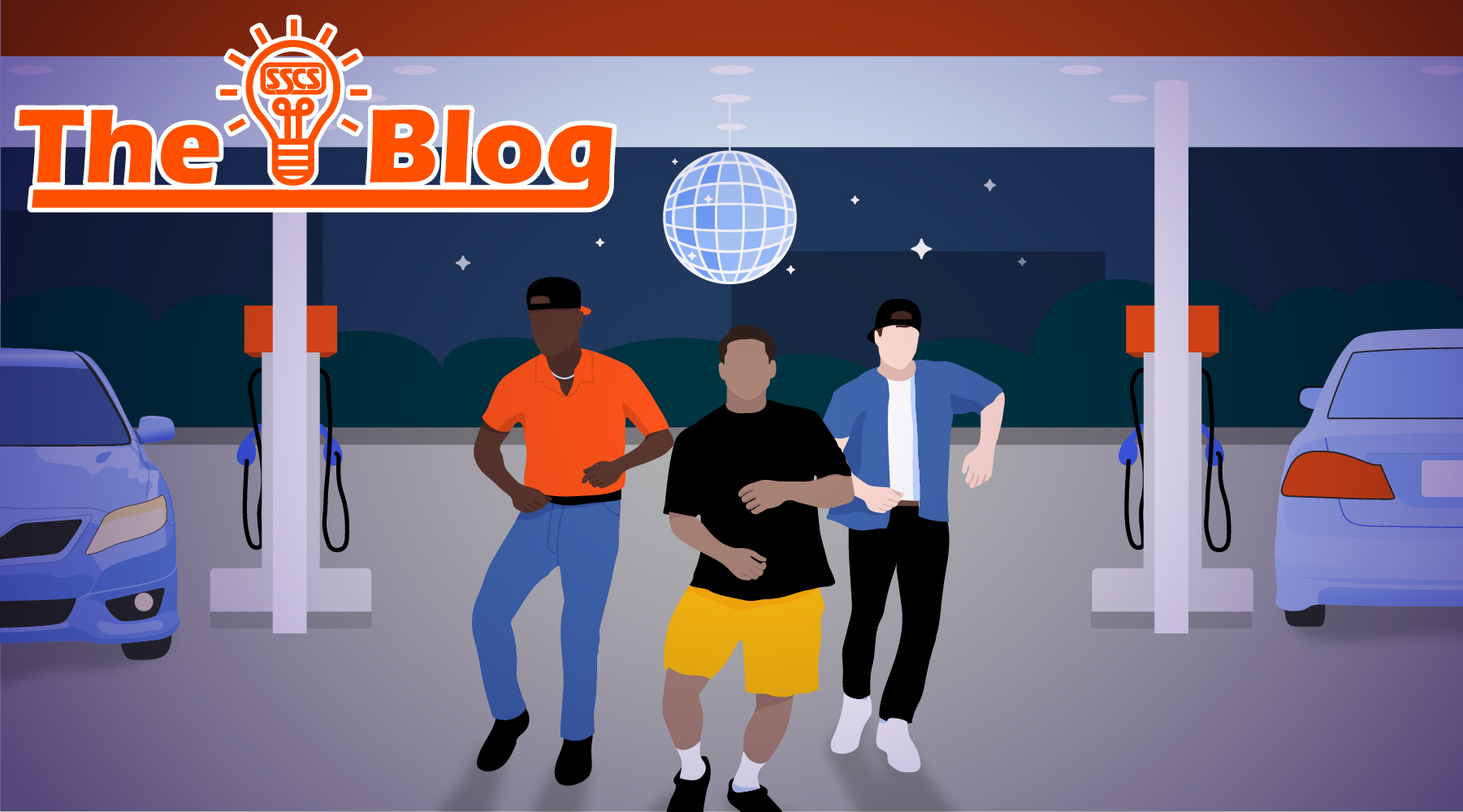
The Gas Station’s a Stage; We’re Just the Audience
Viral dances in the forecourt? They’re just the most recent example of retail petroleum being at the center of a pop culture sensation.
The Public Space as Center Stage
You never can tell when the next viral sensation will hit. They come out of nowhere; they disappear just as quickly.
The rise and fall of outrageous dance moves, streamed over Instagram/TikTok/YouTube, are a prime example of what we’re talking about here. They change all the time, but you can bet they’ll be matched to a soundtrack of incredibly catchy hooks and beats. Unforgettable, really, until tomorrow, at least.
The group experience dominates in these kind of streams, featuring semi-synchronized movement meant to look like spontaneous choreography. Public spaces are a favorite backdrop—take, for example, the gas station forecourt featured in in this week’s viral dancing sensation.
In this stream, passengers hop out of their vehicles while fueling up, performing a routine to the Gap Band’s, “You Dropped a Bomb on Me.” Maybe they’re taking a break from their travels, maybe they’re celebrating the great merchandise in the store, but there’s one thing we do know: it’s not the first time the retail petroleum industry has taken center stage for a pop culture phenomenon.
Pokémon GO
In 2016, the great Pokémon GO phenomenon was peaking. Notable in that it combined a digital platform while requiring players to also take action in the real world, phone-resident GPS was used to search down these digital beings.
Popular landmarks for finding creatures included anything from parks to churches—but c-stores and gas stations emerged among them as ideal Pokémon GO hotspots. The sites were easy to find, open long hours, located at busy intersections, and provided pleasant gathering points for players.
A Loyalty Program without the App
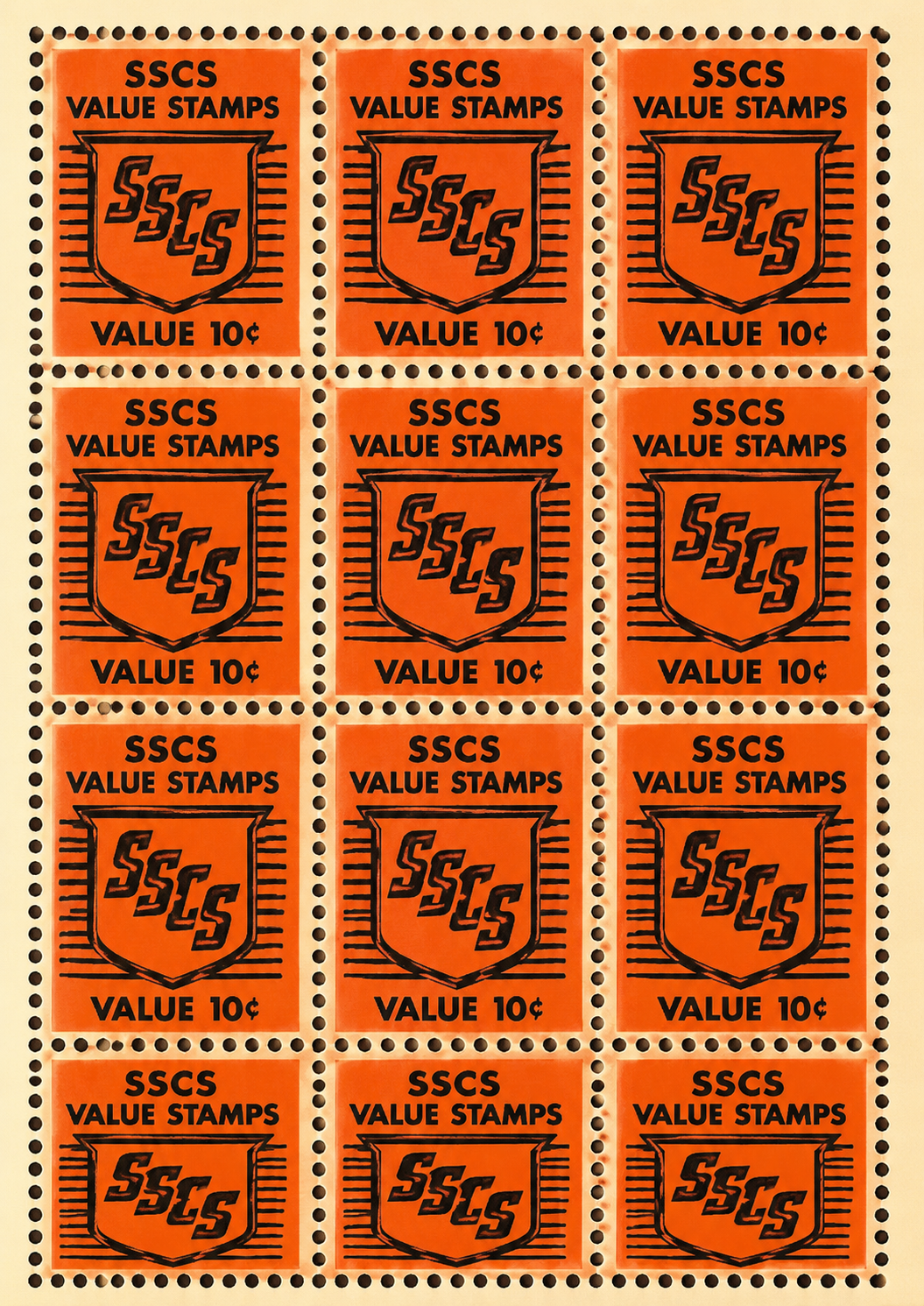 That’s not to suggest you need a Digital Age to create a popular sensation. In fact, petroleum retailers created one of their own in the 1950’s when they started to issue and distribute trading stamps. They were kind of like a loyalty program that pre-dated loyalty apps.
Customers received stamps when they made purchases and pasted them into booklets. Once enough books were filled, the books could be redeemed for household goods, toys, appliances, and hundreds of other items at participating outlets.
Collecting the stamps became kind of a thing, creating an old school social network where families and relatives would talk casually about their progress and what they were thinking of purchasing. It was one of the earliest wide-spread retailer efforts to transform their stores into destinations.
We Got Ourselves a Convoy
Truck stops are one of the more venerable segments of the retail petroleum industry, vaulting to visibility in the mid-20th century when the U.S. interstate highway system started to fan out and connect long stretches of uninhabited road. Successful operators made the most of the opportunity by turning their truck stops into travel centers, full service oases for truckers and others driving long stretches.
In the 1970s, Citizens Band (CB) radio systems exploded in popularity. What began as a practical communication tool for truckers out on the lonesome highway, became embraced by the general public.
There was a hit song, “Convoy,” movies such as Smokey and the Bandit, and countless television broadcasts that popularized words and phrases associated with the CB airwaves.
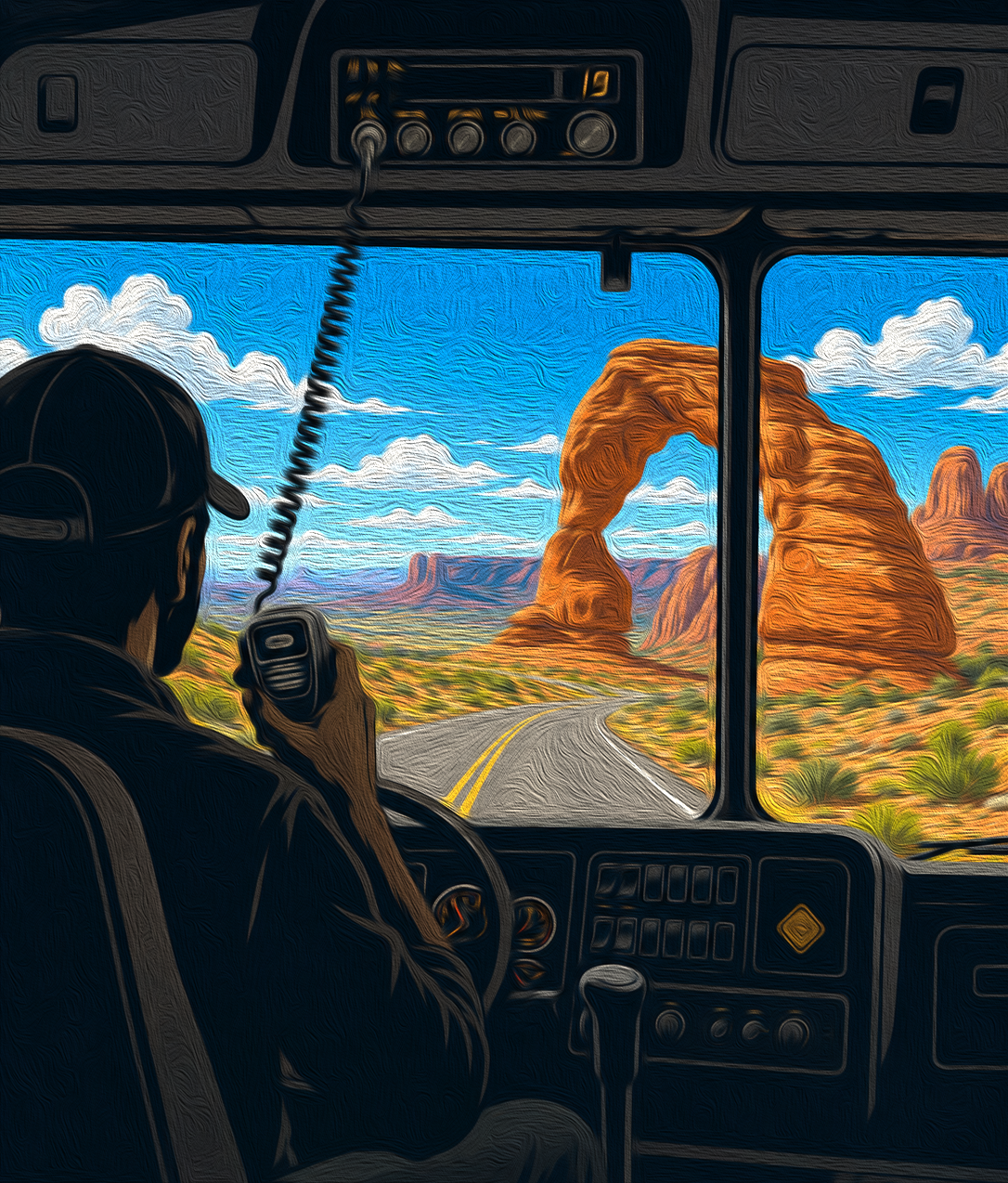
Truck stops and travel centers became magnets for CB enthusiasts. Drivers exchanged information about road conditions, traffic, speed traps, and equipment. They bought related tools and parts. Thus, truck stops became physical hubs for what was essentially a nationwide social network[1].
Scratching the Lottery Itch
Everyone is familiar with the phenomenon of super giant size lotto jackpots. The bigger the amount, the longer the wait for a payout, the more of a pop phenomenon the draw becomes—until someone wins and it isn’t anymore.
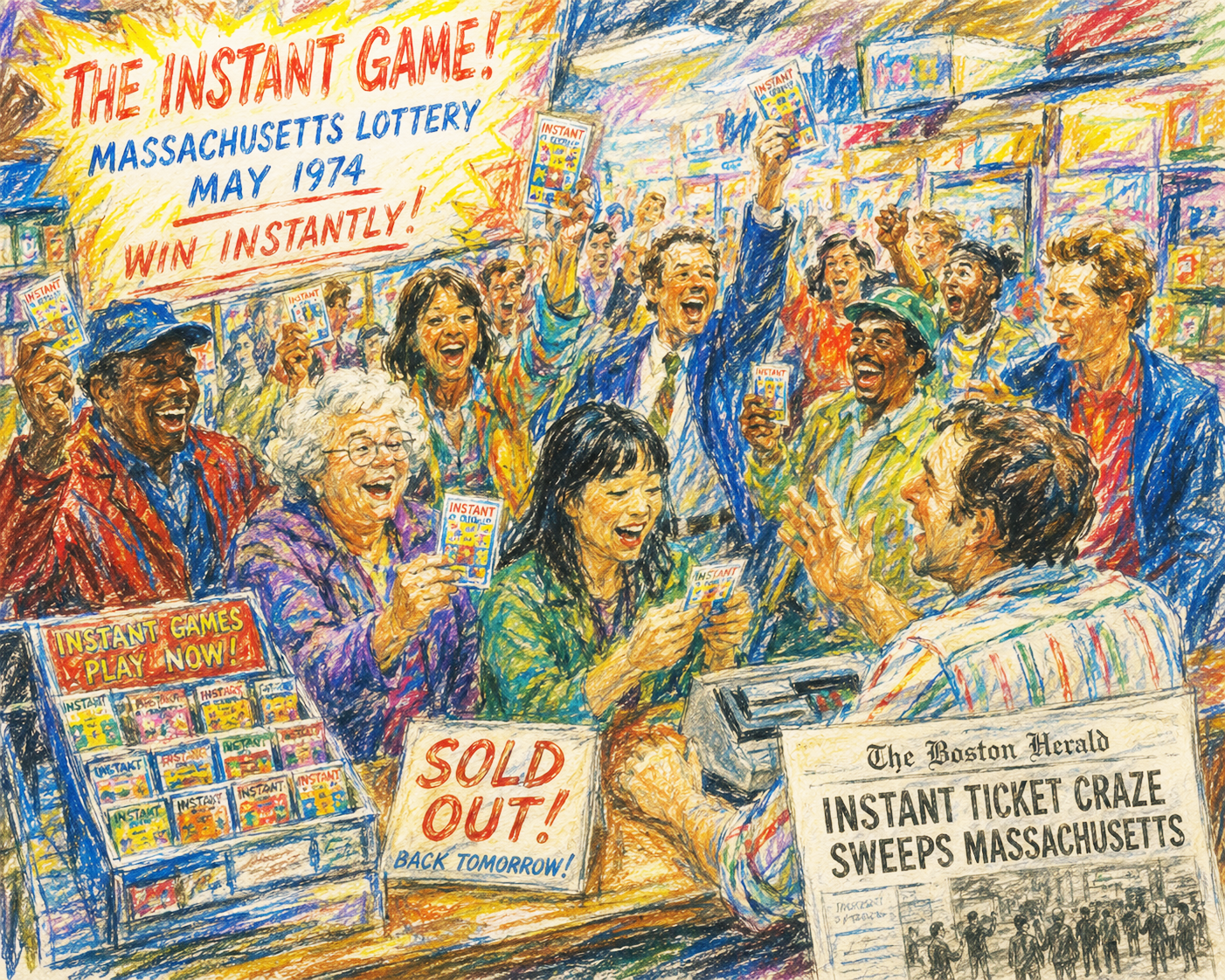
In contrast to the fluctuating traffic provided by lotto games, lottery scratcher tickets are a steady, dependable performer. They’re taken for granted which makes it hard to believe what a big splash they made in May 1974 when the Massachusetts Lottery introduced the world’s first modern instant scratch ticket, “The Instant Game.”
It caused a frenzied reaction among consumers. Many stores exhausted their inventory within a day despite millions of tickets being distributed. Newspaper accounts described crowds that disrupted normal business and retailers struggling to keep tickets in stock. One retailer called it “instant insanity,” but, again it made the convenience store a destination location[2].
Unlike some of the trends we’ve talked about, lottery scratchers continue to be an ongoing profit center for operators, if they are managed with precision. Ticket margins are thin. Losing track of their movement can send the department into the red rather quickly.
For this reason, SSCS developed Lottery Management software to help operators get control over what’s in their bins, an automatic way to record sales and inventory, even when your store becomes the center of a viral sensation. It’s never too soon to start automating the process. Give us a call at (800) 972-7727 and we can share details.
[1] Re: Wikipedia.
[2] “Nearly 40 Years Since Mass. Brought Scratch Tickets to U.S.”; Chris Ceasar, boston.com; April 28, 2014



Leave A Comment