
Opposite (Tastes) Attract
When it comes to salty-sweet flavors, the sum is more than the individual parts.
A Combination that Fits
When it comes to popular tastes (literally), salty-sweet is experiencing a surge of popularity. Interesting options show up on c-store shelves all the time. We’ll provide some examples a little later.
What makes these two distinctively different flavors appeal to consumers when they’re thrown together? Well, it seems that instead of cancelling each other out, the tastes blend together into a sum greater than its parts, the flavor experience becoming more complex and appealing, as a result.
Salty/Sweet also happens to be a combination in sync with the merchandise mix of a c-store, given the industry’s knack for providing a dazzling array of salty and sweet items. The combination fits.
It’s not exactly a new phenomenon, though.
Salty/Sweet: The Past
The human craving for salty mixed with sweet has a long documented history. Let’s look at a few interesting examples:
Classic Rome. Honey was drizzled over roasted meats, seafood, vegetables, and cheeses. A fermented fish sauce, garum, was often paired with honey:

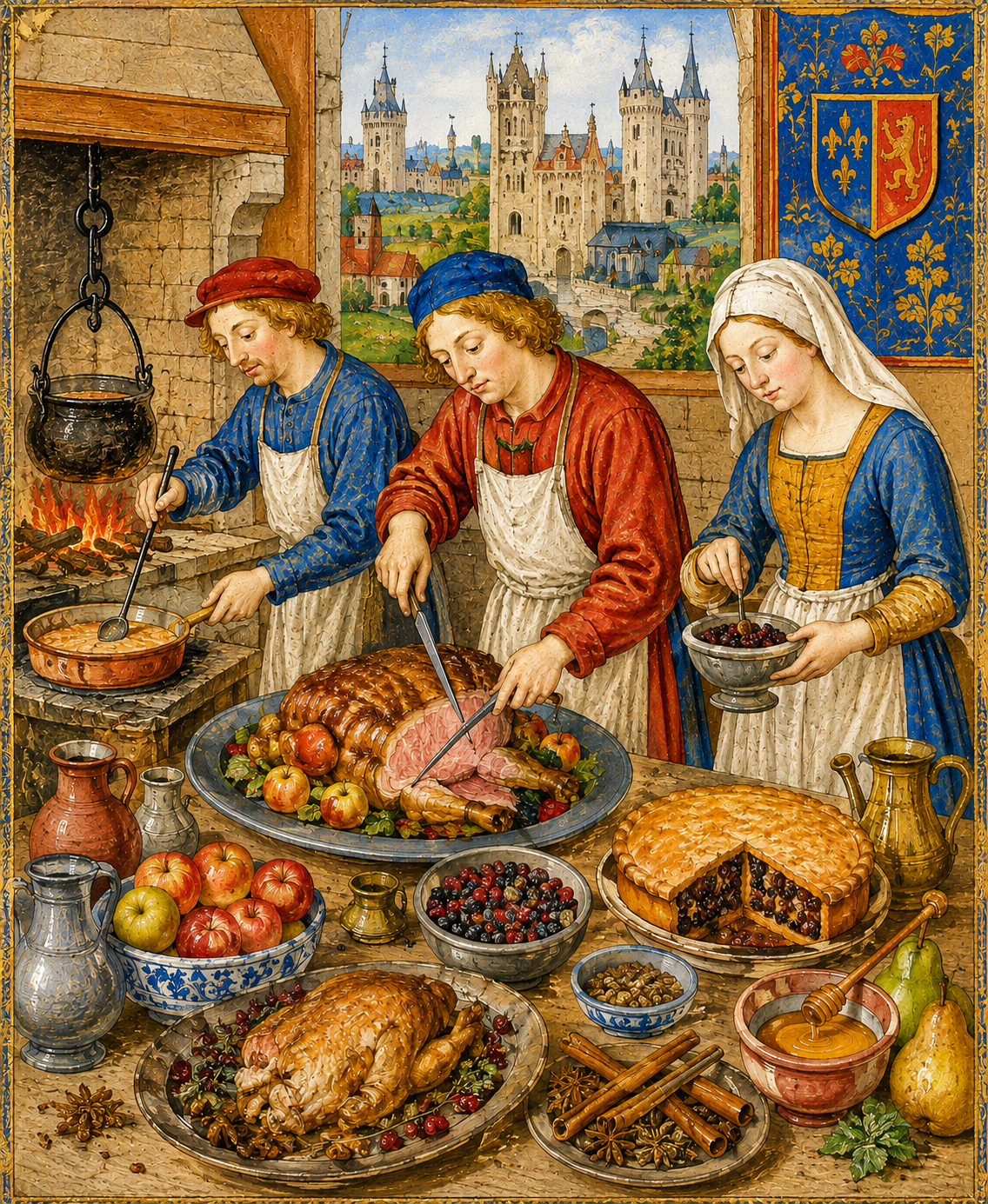
Medieval Europe. Cooks routinely combined meats with dried fruits, honey, spices, and wine. Roast pork with apples, venison with berries, and meat pies filled with raisins or currants were common:
The Renaissance. Italians have enjoyed a sweet-and-salty classic, prosciutto e melone. The sweetness of ripe melon offsets the saltiness of cured ham:

Eighteenth Century Pennsylvania. Dutch settlers cooked popcorn with sugar and salt in cast-iron kettles. Kettle corn became synonymous with county fairs and harvest festivals, as it still does today.

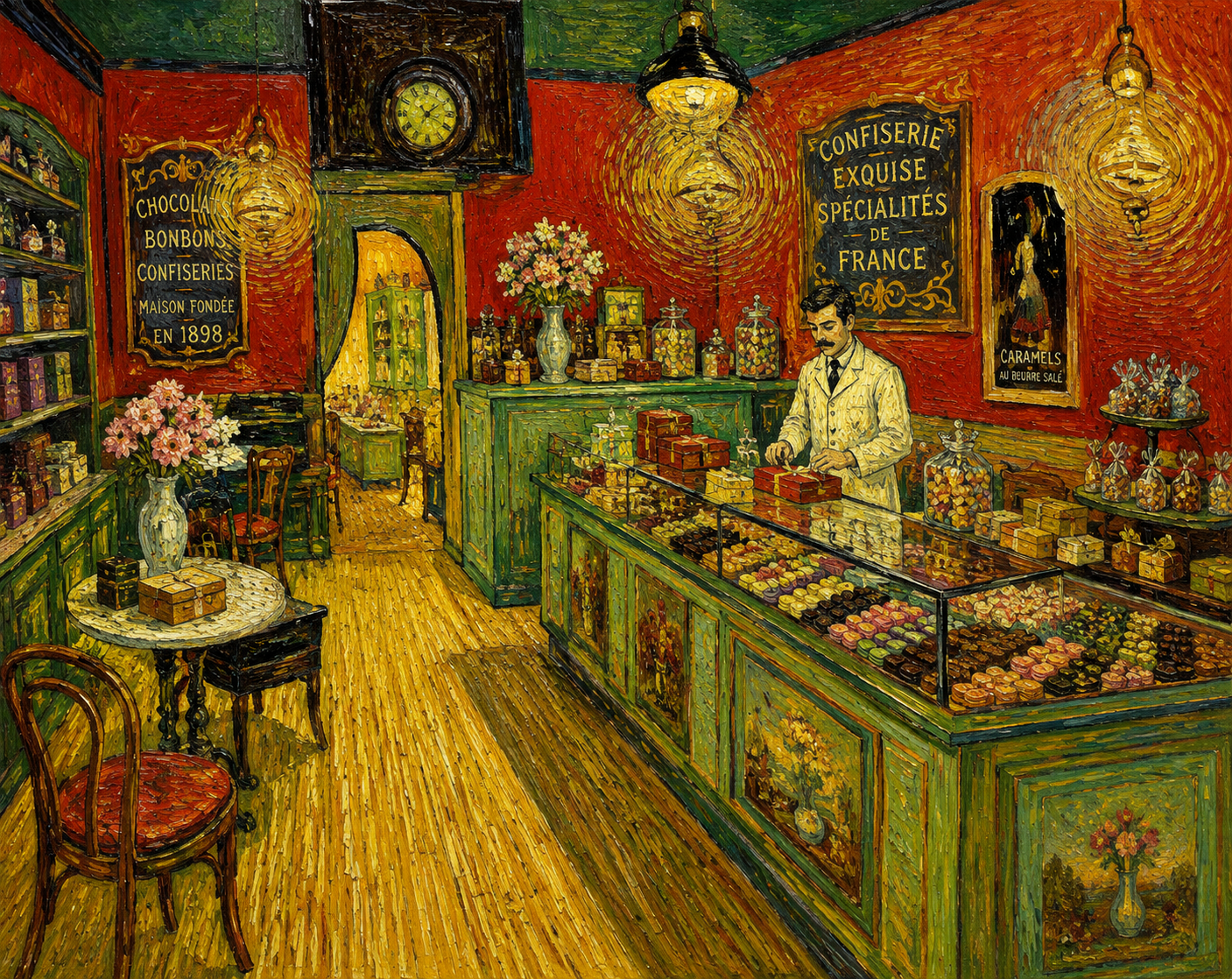
1970’s France. Salted caramels became big. French chocolatier Henri Le Roux popularized salted butter caramel in Brittany in 1977, pulling together and commercializing a traditional Breton confection:
Salty/Sweet: the Present
While salted caramels were salty-sweet’s first true commercial breakthrough—the confection swiftly swept through Europe’s candy shops and beyond—it marked only the starting point for products designed to satisfy salty-sweet cravings. Variations on the following are some of the “hottest” examples:
- Hot Honey Chicken — Hot honey has become a go-to flavor for adding a sweet kick to savory foods. Drizzle it over crispy chicken, sandwiches or pizza.
- Mango Habanero — The tropical sweetness of mango helps balance habanero’s heat while still letting the pepper shine.
- Nashville Hot Chicken & Waffles — Chicken and waffles already bring together sweet and savory. Add Nashville hot seasoning and the combination gets another dimension.
- Chili-Lime — Tart lime, salty seasoning and chili heat make this flavor combination especially popular in snacks and prepared foods.
- Pineapple + Heat — Pineapple’s natural sweetness makes it a natural partner for spicy peppers and brings a little tropical flavor to the mix.
- Peach + Jalapeño — Sweet, juicy fruit paired with a peppery kick can show up in sauces, sandwiches, salsas and seasonal menu items.
No matter the merchandise, salty/sweet snacks or other, as a c-store operator you need a reliable way to know if the latest product trends fit with your store. SSCS’s Computerized Daily Book back office contains, among many other features, tools to make inventory performance, pricing, and management effective and timely, even providing different “looks” at the data from different perspectives.
If you are a convenience store operator that wants to try out new item merchandise, but have second thoughts about the potential impact of the switch, give us a call at (800) 972-7277 and we’ll explain how you can feel more confident about your next move using an inventory system’s data.



Leave A Comment