
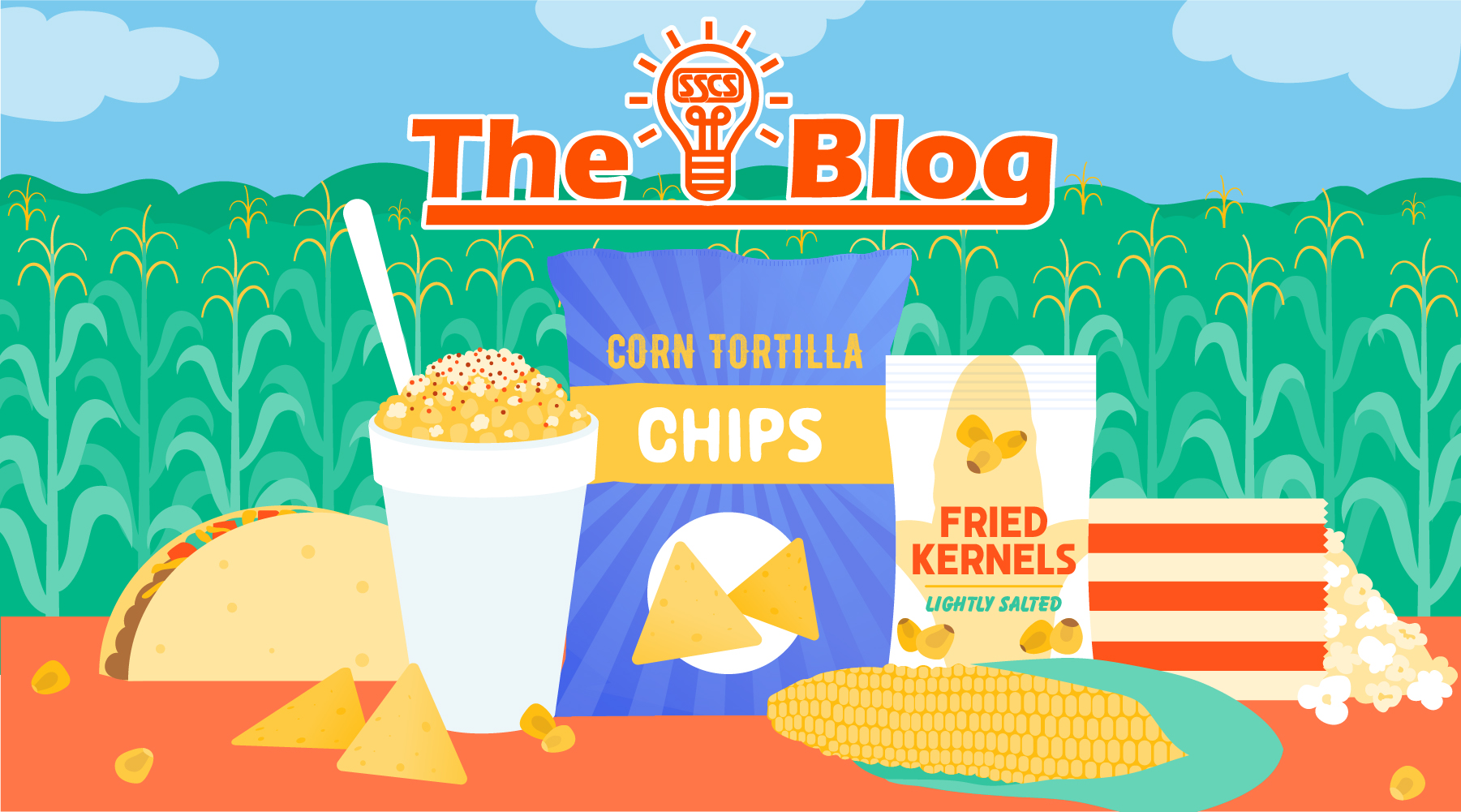
Children of the Corn
Diligent ancient agriculturists are the reason corn’s been around longer than most domesticated foods.
That bag of tortilla chips you just pulled off the c-store shelf? It’s filled with DNA that goes back over 9,000 years, starting down in old, old Mexico. Corn’s original ancestor was a lot different, a wild grass called teosinte. It had edible seeds, but small, hard ones. The tender ears of yellow and white we’re used to today are the result of diligent ancient agriculturists who worked at selective breeding for the next 4,000 years to make the edible part of the stalk larger and the kernel coating less shell-like.
Those farmers of long ago couldn’t possibly guess that corn would end up being one of America’s most versatile agricultural commodities, in a multitude of forms with a multitude of functions, many of which are found in the merchandise mix of your friendly neighborhood c-store. There’s tortilla chips for sure, and but corn is woven into other food like corn dogs, breakfast cereals, and the syrup used to sweeten beverages, candy, baked goods, and packaged foods.
Corn’s utility goes beyond food, however. Corn-derived ethanol has become part of the American fuel supply, while corn starch and other derivatives find uses in food packaging, adhesives, and industrial materials. Corn oil is used in cooking and livestock grows up eating corn-based feed, contributing to the meat and dairy products sold throughout the retail food system, an integrated part of the convenience store supply chain.
Weather, growing conditions, transportation costs, commodity prices, and processing capacity can all influence the availability and cost of corn and its many derivatives. Those changes can ripple through food manufacturers, distributors, and ultimately retailers. While a convenience store operator may not be tracking the daily price of a bushel of corn, the commodity’s influence can show up indirectly in product costs, vendor pricing, and the merchandise moving through the back door.
Managing a convenience store means keeping track of a remarkably interconnected world of products and suppliers. SSCS helps operators bring order to that complexity with back-office software designed to manage inventory, purchasing, pricing, reporting, and other essential store functions. From tracking the products that land on the shelves to managing lottery sales and the many details behind daily operations, SSCS gives retailers better visibility into their business. Corn may be grown in a field, but keeping the products it becomes moving efficiently through a convenience store takes considerably more than a combine.
replaced swiping in the U.S.

Leave A Comment