
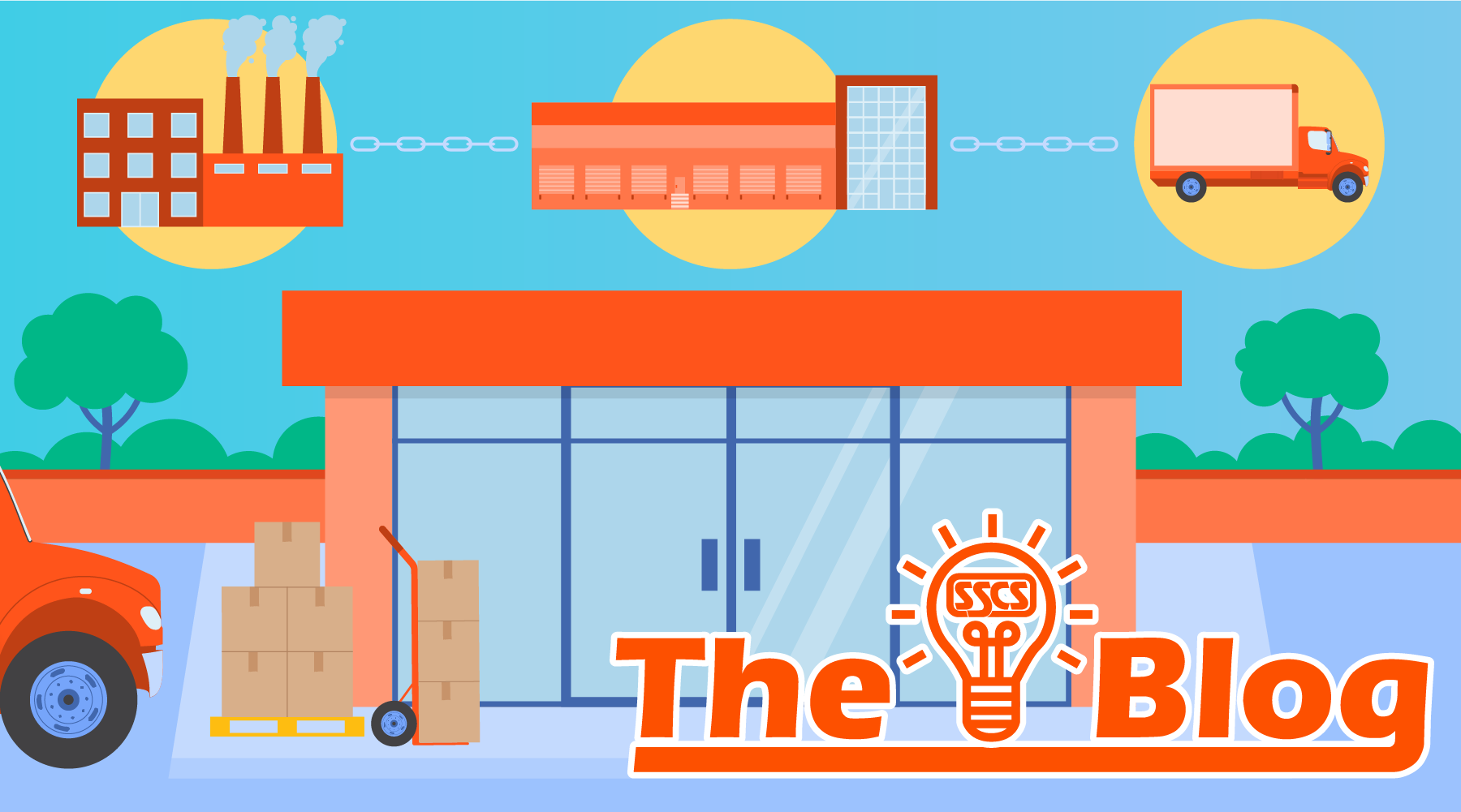
How the Supply Chain Got Its Links
The process of moving product from wholesaler to c-store used to have fewer moving parts. There’s reasons for that.
The SSCS Blog occasionally covers aspects of c-store development and history. This week we’re doing the same for the convenience store supply chain, which has evolved over time to meet the needs of the c-store. It has undergone a significant change in focus.
The part of the c-store supply chain most people see comes at the end: the delivery vehicle pulled up the site, with the distributor/wholesaler representative wheeling merchandise into the store. Except for the type of delivery vehicle used, that part of the process hasn’t changed all that much over the years.
What comes before has.
In the days before convenience retailing, there weren’t many links in the supply chain. Wholesale distributors—aggregators of local products, really—handled a lot less items with a lot less inventory turnover and, for the most part, were expected to service only a 50–100-mile radius dotted with towns. Larger retailers often wholesaled goods themselves. It wasn’t an exaggeration to say the supply chain basically moved things from Point A to Point B.[1]
It’s so much more complicated now, thanks to the customer’s unquenchable thirst for convenience. It was whetted by the rise of the c-store in the first place, as consumers fell in love with retail immediacy and buying on impulse. It only stood to reason that they would want even more of a good thing, and that they would want it even faster.
This put pressure on the supply chain. The simple mechanisms of the past weren’t up to the task anymore, and that’s really when the far flung network (and variety) of industry professionals on which the c-store industry relies began to grow; it’s when supply network really became a chain, made up of different links.[2]
It had to be that way because fresh food, cold beverages, tobacco alternatives, and immediate-consumption items—the merchandise the modern c-store uses to compete—require faster replenishment, more frequent deliveries, and multiple supply channels operating at once. Limited backroom space, high SKU variety, and highly volatile, impulse-driven demand make efficiency harder than in traditional retail.
Distribution professionals stepped up to the challenge, though, evolving into a connected hybrid model of supply centers, direct store delivery, foodservice sourcing, and frequent replenishment — all within small footprints and consistently changing demand patterns[3]. The result is a supply chain that is more responsive, flexible, and central to the promise of convenience that the consumer demands, thanks to the efforts of highly efficient professionals positioned themselves in the supply chain.
As c-stores evolve, supply chain execution has turned into a core discipline of success. An operator needs a system that can turn fragmented streams of delivery into data clear, actionable insight. Modern back office software like SSCS’s Computerized Daily Book (CDB) provides exactly that, helping stores track inventory, manage vendors, streamline replenishment, and respond quickly to changing demand. If you’d like to gain more clarity regarding the significance of data pouring into your store, please give us a call at (800) 972-7727 and we’ll talk about what the CDB can help tighten up your supply chain.
[1] “The Evolution of Retail Distribution”; John Mabe; Tech | Gistics; June 6, 2016.
[2] “Supply Disruptions a ‘Major Challenge’ for Convenience Retailers, Suppliers”; Greg Lindenberg; Convenience Store Decisions; July 9, 2021.
[3] “Top Challenges In Distribution to C-Stores”; no author cited; C-Store Distributors; undated.


Leave A Comment