
Garden Party
Human beings have been reinventing the garden since ancient times.
The human race has a thing about gardens, and it’s been that way for a long time.
The earliest gardens tended to be formed around structures—as the ancient civilizations cultivating them were located in dry, arid areas. Innovative engineering was needed to create a green space. The result was some pretty spectacular architecture mixed in with the lush vegetation.
One of the earliest examples illustrates this perfectly. In around 700 BCE, Sennacherib, an Assyrian king, made sure the city of Nineveh was full of vast terraced gardens, some several hundred meters long. Stone channels, aqueducts, and screw-like pumps lifted river water uphill, feeding orchards and exotic plants. The effect was stunning.
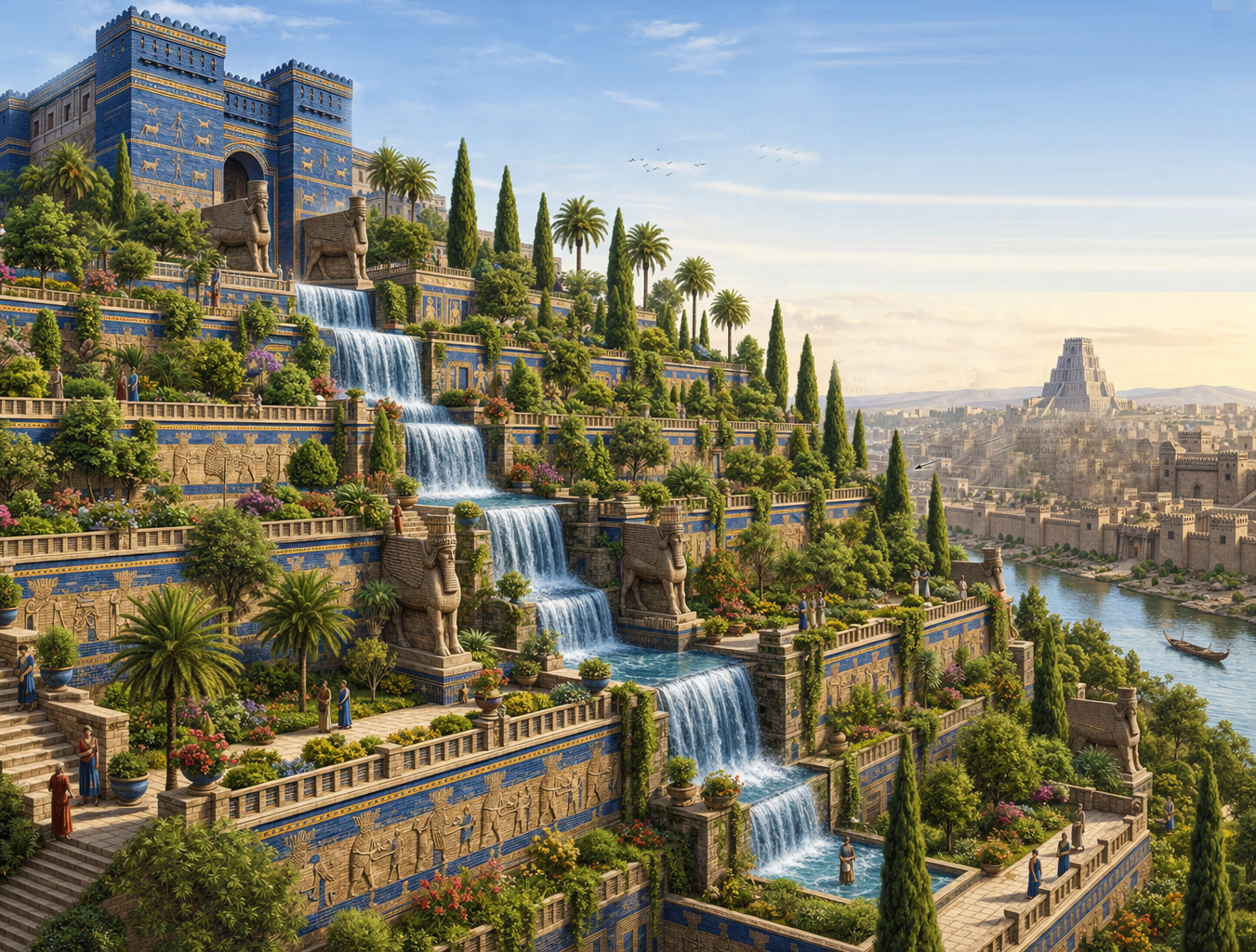
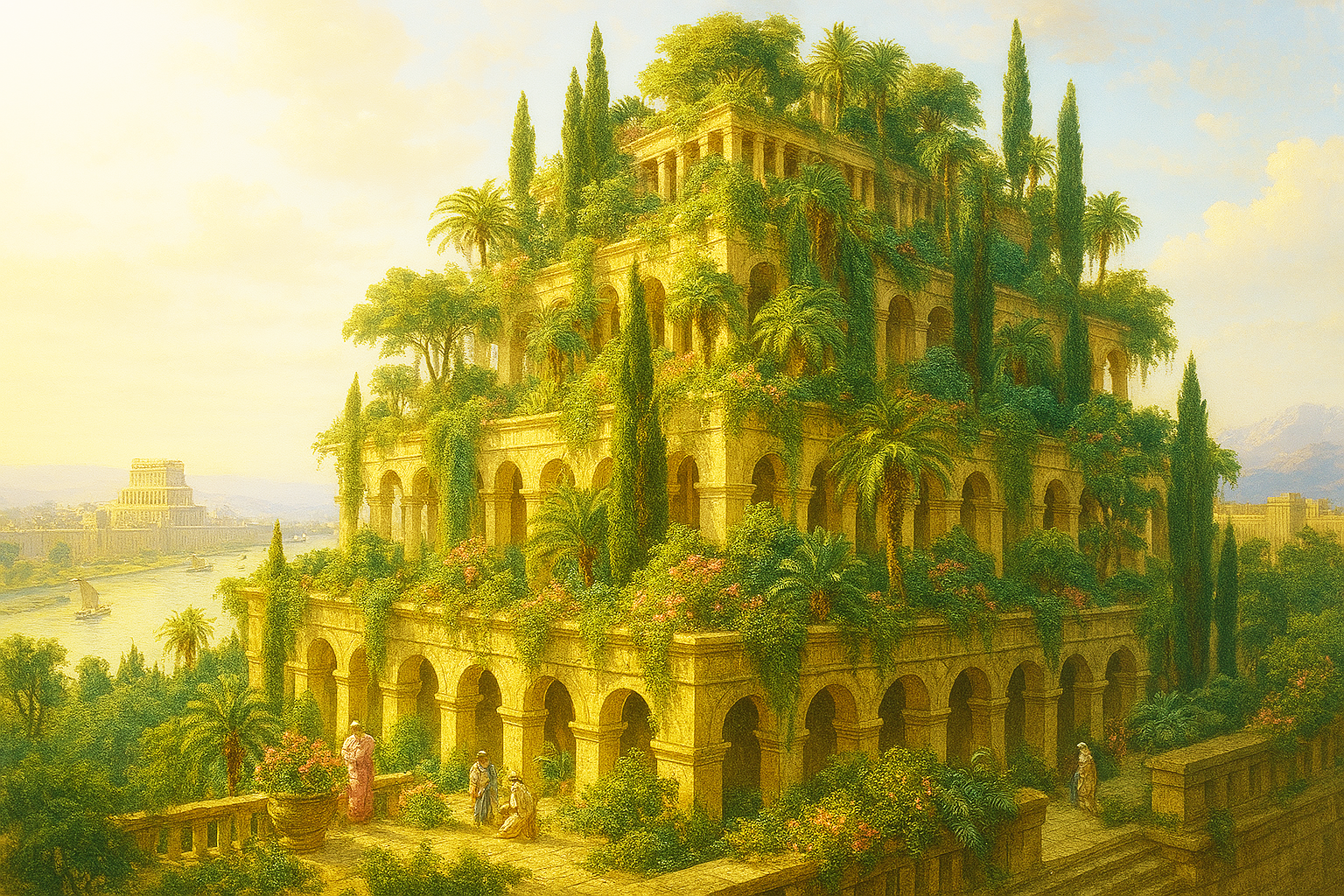
About one hundred years later, the more well-known Hanging Gardens of Babylon was built, and there’s definitely a reason it was—at one time—considered to be one of the Seven Wonders of the World. It’s a man-made mountain of greenery rising in the middle of barren plains.
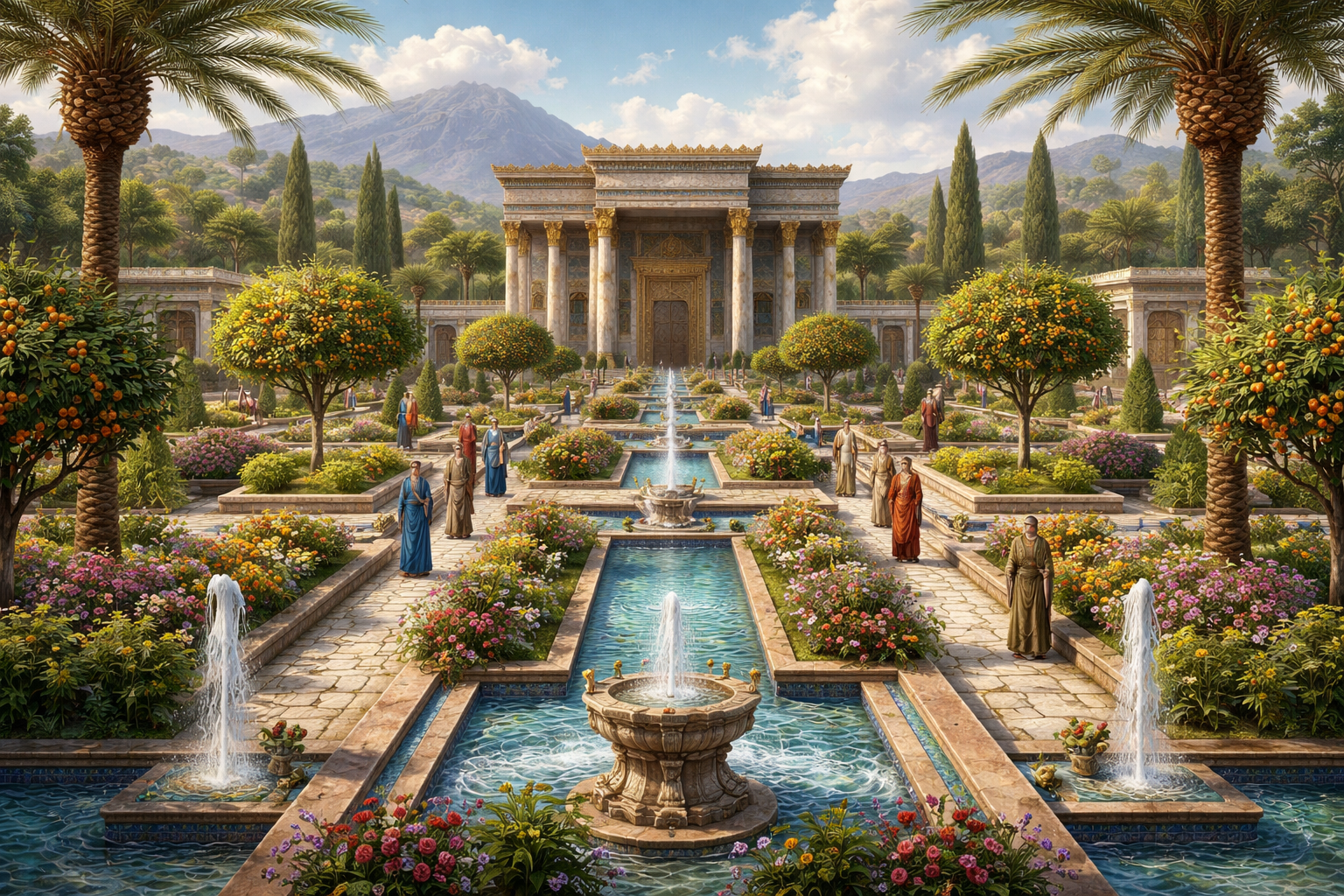
Rivaling the above examples, and coming yet another one hundred years later, are the Persian Royal Gardens. We get the word “paradise” from the original Persian name, Pairidaeza.
Of course, when we think of gardens today, most of us tend not to think of grandiose outdoor palaces. In today’s world, those kinds of projects are impractical and expensive, and besides, in the 18th and 19th centuries the concept of garden was re-written by the British. Supported by the plentiful rain and damp weather available to them, green flowing slopes, hedgerows, and pristinely manicured lawns—no barrier in sight—sprung up all over the British Isles and became a new standard image for “the garden.”
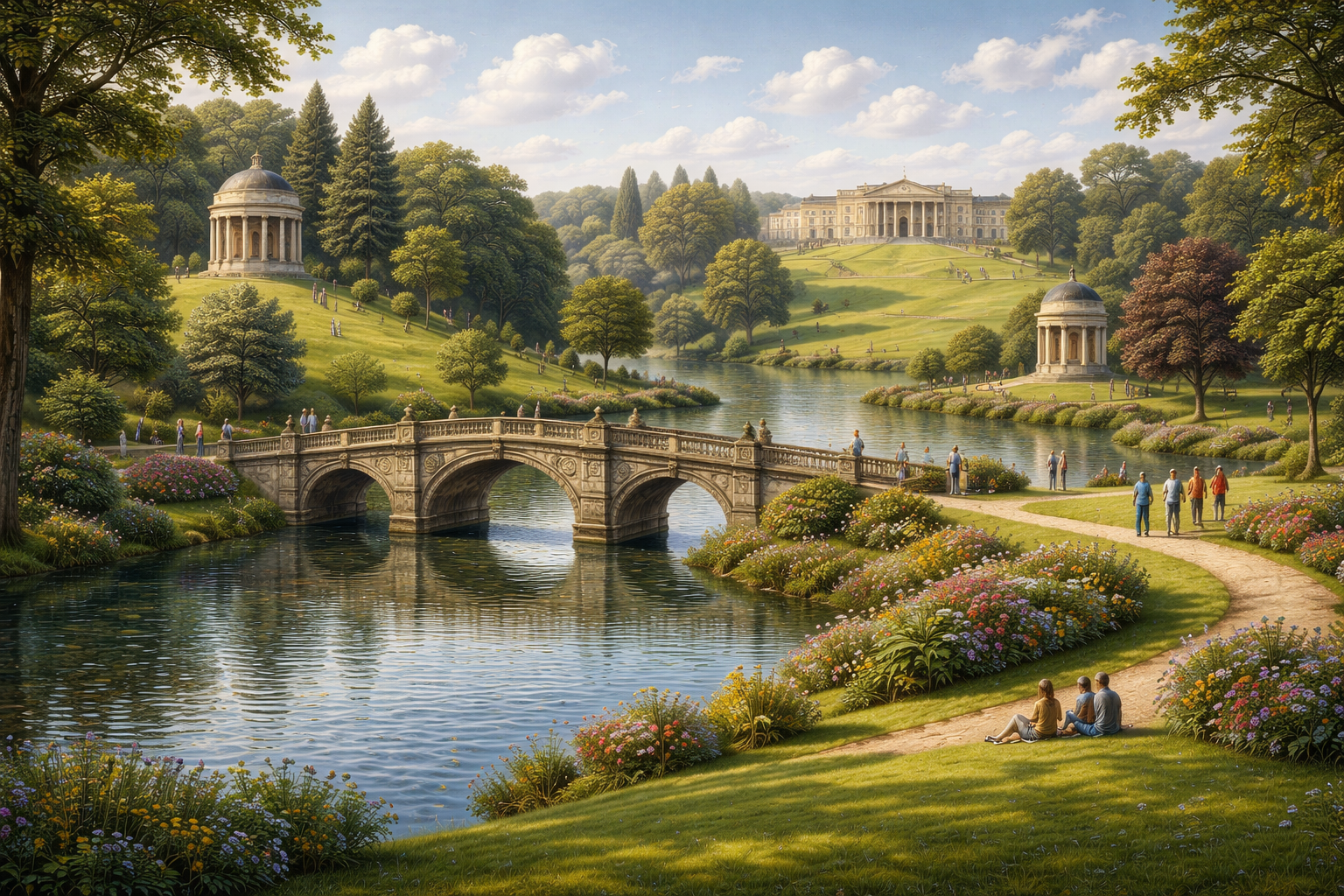
So, what about today, and what about the U.S? Are there any grand, stately gardens that travelers might want to visit this summer? The answer is a definite yes, each putting its own spin on the “open” approach:
- The Bloedel Reserve, on Washington’s Bainbridge Island, is 150 acres of open meadows, moss gardens, reflective pools, and tranquil forest paths. It’s all about contemplation and reflection here; slow movement and quiet observation seem woven into the landscape.
- The Huntington Desert Garden in San Marino, California, is exactly that: one of the largest collections of desert plants in the world. It showcases cacti, succulents, and drought‑adapted trees arranged among winding paths and rocky terrain.
- The New England Botanic Garden at Tower Hill is set across rolling hills overlooking the Wachusett Reservoir. The 171 acre garden in Boylston, Massachusetts showcases the horticultural traditions and seasonal beauty of New England. (Plants are selected based on how much they change throughout the course of the year.)
- The Fairchild Tropical Botanic Garden in Miami drops the visitor into an immersive environment with warm‑climate plant life—think palms, flowering trees, vines, and lower canopy tropical plants. Its lushness and humid air provide quite a contrast with the more temperate climate surrounding it.
While a c-store and a garden are two completely different things, both are places where travelers seek out refreshment and rejuvenation. If you’re an operator that wants to stay on track by meeting and exceeding the expectations of your mobile consumers, a complete technology solution, like the one we offer at SSCS, is really an unmatched option. Give us a call at (800) 972-7727 and we’ll demonstrate how technology can assist in your goal to become a garden of retail delights for travelers and locals alike.





Leave A Comment