
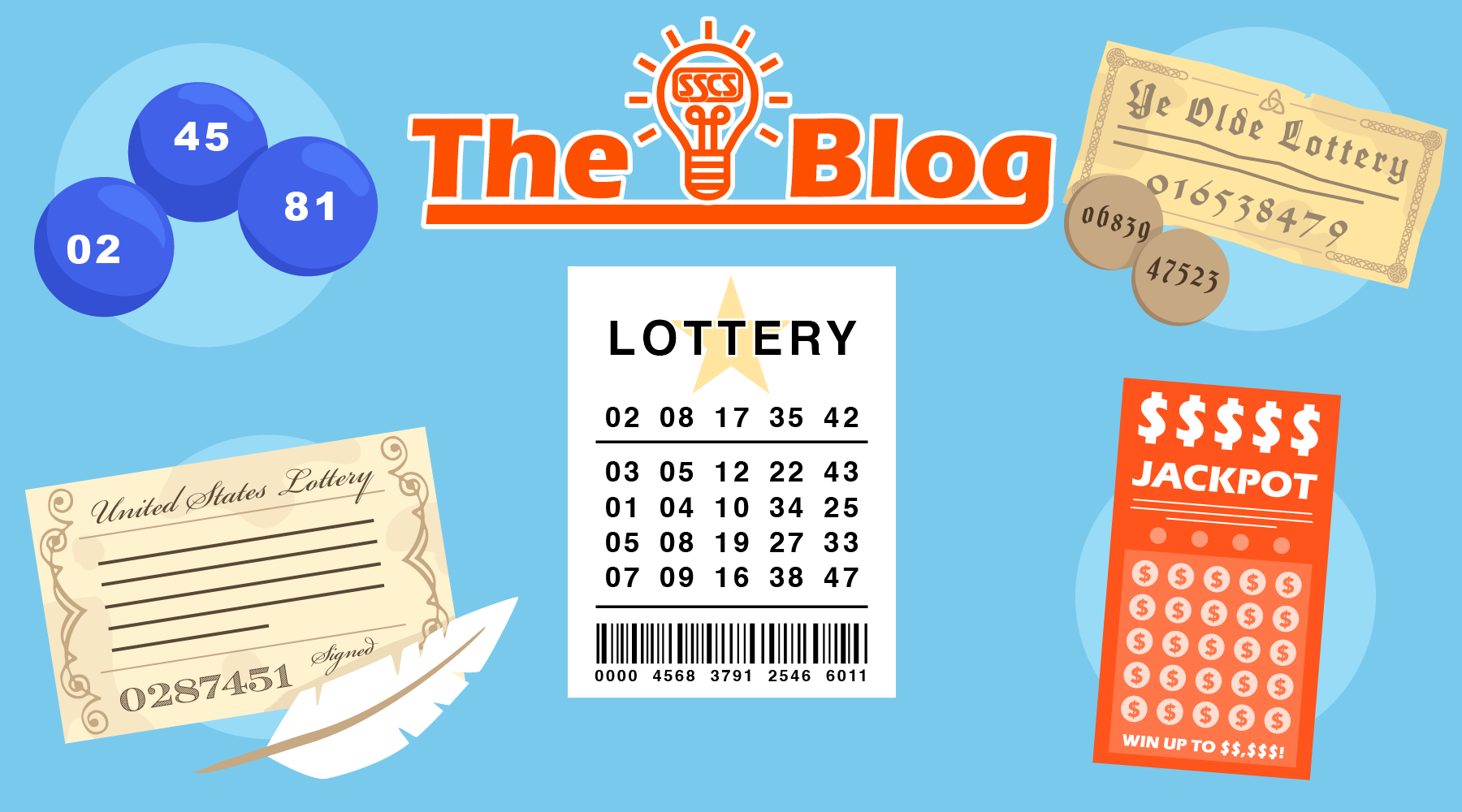
Games as Old as Humankind
The lottery ticket goes back longer than you think.
You can’t discuss the modern lottery ticket without going way back. Human beings and games of chance have gone together like hot dogs and buns for about 40,000 years. In those far-off Neolithic times, human beings used Astragal—the four-sided ankle bones of sheep—as primitive dice for gaming[1] (and in decision-making, too, kind of like a prehistoric Magic 8 Ball).
The roll of the dice isn’t a lottery style game, though. To get closer to one we have to move forward almost four Millenia to 300 BCE. It was about this time keno-style games using paper tickets showed up in China. They were used to help fund major public works; the legend goes that they helped fund sections of the Great Wall.[2]
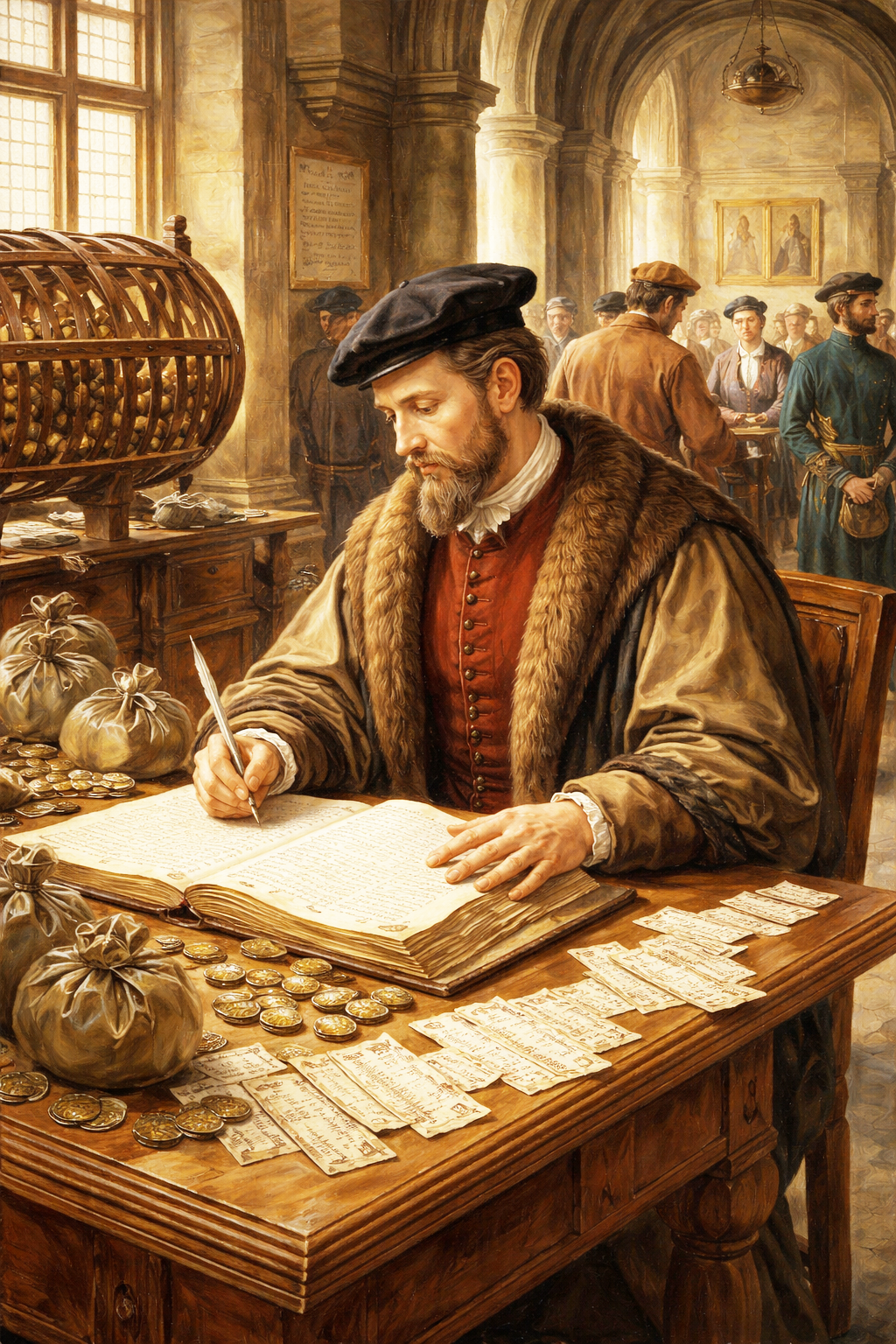
In Renaissance Europe, generating public revenue was also the goal of public lotteries. City-states used them to support security, roads, and relief for the poor. Early “tickets” were often handwritten slips or wooden tokens. Clerks—more like bookkeepers, really—tracked the games meticulously, as pictured at right.[3]
Still not quite lottery tickets, though. We need the invention of the printing press (circa 1540 AD) for that to happen. England’s 1569 lottery — authorized by Queen Elizabeth I — issued printed tickets that promised prizes ranging from cash to silver plate.
Lotteries at this time, though, were largely regional and relatively rare. The first real explosion of lottery ticket games blasted through the 16th and 17th centuries, when printing became cheap enough to support mass participation across larger geographic areas.[4]
Not that continued growth of the games was guaranteed. The 19th Century saw their near death because of fraud, poor recordkeeping, and wildly inconsistent rules[5]. When the lottery slip returned mid-century, it did so under strict government control.
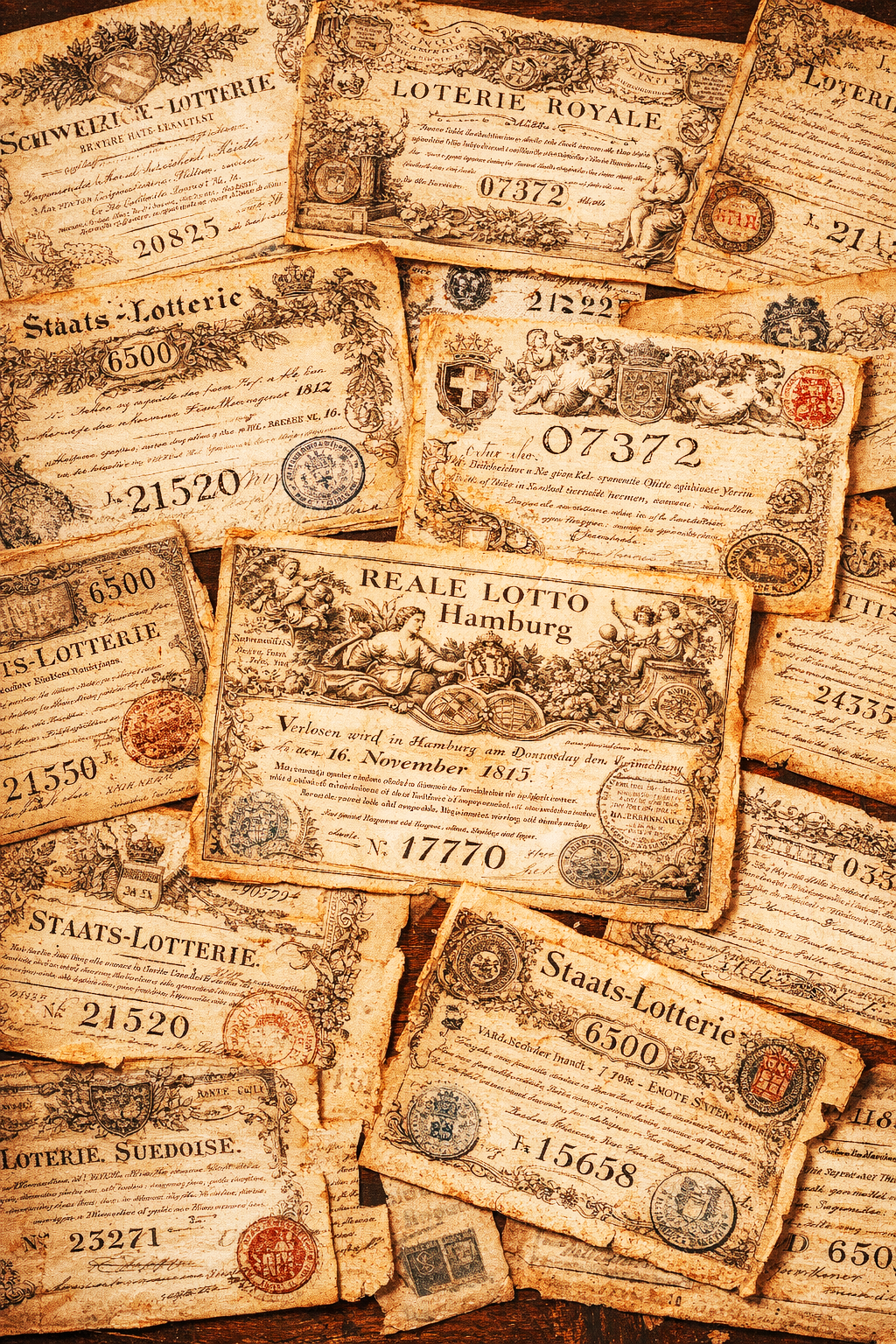
That focus reshaped the ticket. Serial numbers, security printing, centralized validation, and eventually machine-readable codes turned lottery tickets into highly regulated retail items.
Scratch-off tickets were the real breakthrough, though, placing lottery games squarely in the wheelhouse of the convenience store industry. For retailers they signaled fast turnover and predictable—though narrow—margins. For consumers, they represented the perfect pairing for coffee and a donut, or a late-night snack—another inducement to walk through the doors.
Today the variety and complexity of scratcher games is greater than ever, making each thin margin more important than ever to preserve. Fortunately, technology has kept up with these changes, including SSCS’s Lottery Management software.
Lottery Management makes it faster easier and faster to manage tickets as they come into the bins as packs, leave as individual units, and are refilled, again as packs. Sales and current stock are tracked, as is pack changeover and reconciliation. A set of reporting tools gives you a look into performance by game. You can identify the clerk who sold the ticket(s) at the POS, too.
While lottery tickets are all about luck, running a store that sells them is anything but. Use a tool set that helps take the chance out of managing your store’s games. Give SSCS a call at 800 972-7277 and we can explain how.
[1] “Ancient Forms of Gambling: A Journey Through Time”; Andy_B; The Neolithic Times; March 25, 2025
[2] History of Keno: From Ancient Chinese Lottery to Casino Classic”; Markos Tatas; anicentgames.org; September 28, 2025
[3] “The History of Lotteries”; Tony Dalton; History Portal; February 1, 2023
[4] “Colonial America was Built on Lottery Revenue”; Sarah Laskow, Atlas Obscura; April 21, 2017.
[5] “Lotteries, Revenues and Social Costs: A Historical Examination of State-Sponsored Gambling”; Ronald J. Rychlak, Boston College Law Review; December 1992, p. 38





Leave A Comment