
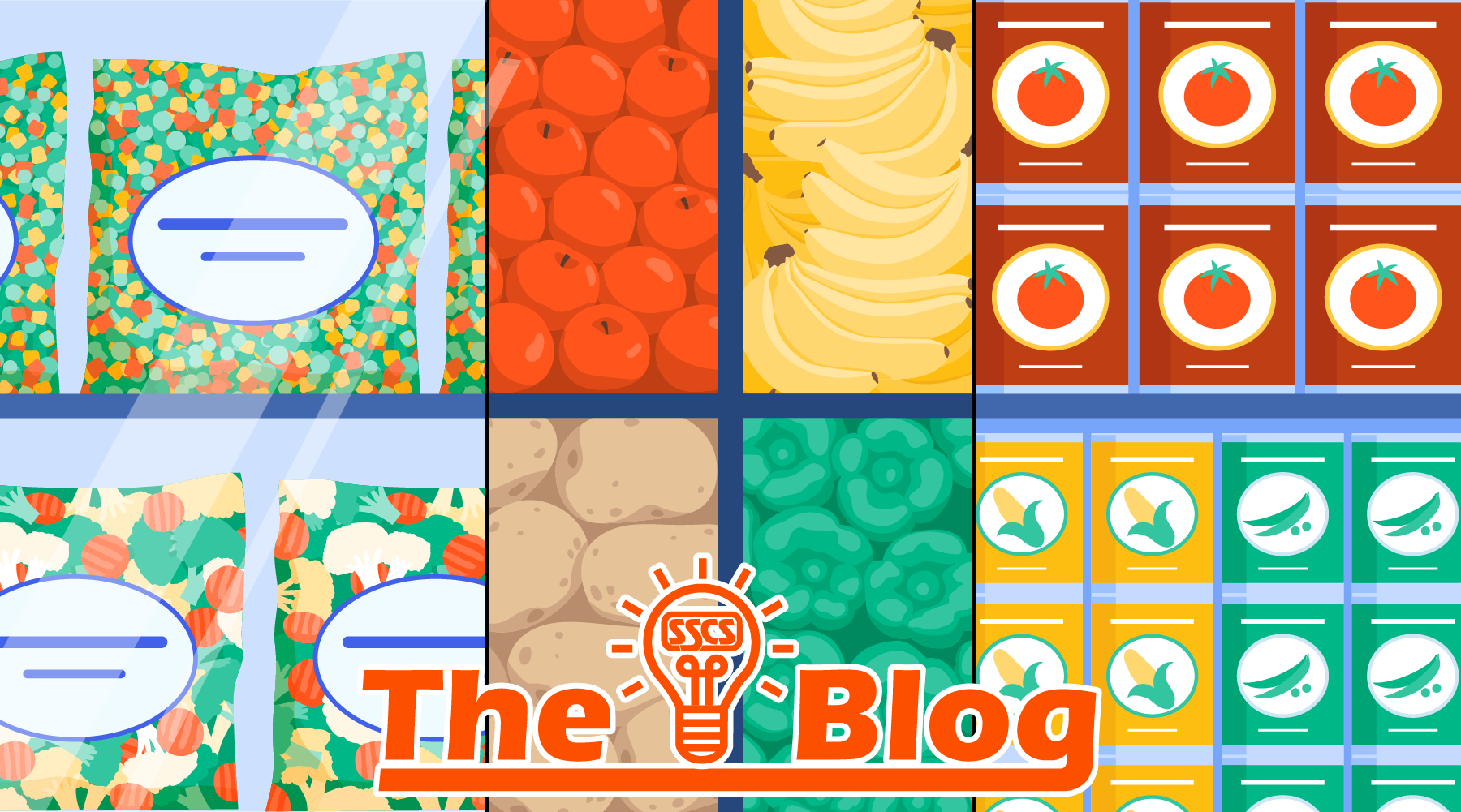
The Three Faces of Produce
Driven by consumer desires, fruits and vegetables are available in a greater variety of forms than ever.
The variety and scope of today’s retail mix is staggering. Packaged beverages and snacks of all shapes, colors, and sizes, today’s numerous Foodservice options, and the additions of franchised Quick Serve and Fast Casual restaurants create an unprecedented mix of food retail, resulting in offerings that sometime veer into the strange and unusual (as detailed here by CSP Daily News).
Compared to all that activity, fruits and vegetables may seem a little dull by comparison, but that would be underestimating the value they can deliver to a c-store in their three main forms—fresh, frozen, and canned.
Fresh
The benefit of eating fresh fruits and vegetables is well-documented, and doesn’t need much further elaboration. U.S. convenience stores have responded to the appeal: carrying fresh produce has roughly doubled over the past 20 years—rising from approximately 20–25% in the mid‑2000s to roughly 45–55% today.[1]
This isn’t to say that c-stores are swapping out large swaths of their square footage to put in fruit and vegetable bins. As usual, store operators, in concert with manufacturers and vendors, have innovated to merge the advantages of an apple, carrot, or lettuce into a package developed with convenience in mind. Choices are plentiful; the most popular include fresh fruit cups with built-in sporks[2], pocket-sized caramel apple slices, Chiquita’s “Stay Fresh Pack” long shelf life bananas, or any of the popular fresh salad kits. Examples like this also help c-stores limit spoilage and waste.
Yet fresh is far from the only viable option when it comes to fruits and vegetables, and there’s good reasons for that.
Frozen Options
When it comes to the appeal of frozen produce, time is of the essence, and these items deliver: their shelf life is off the charts. That’s no small thing. Frozen at peak ripeness, their flavor and texture is maximized, as is their nutritional content—and many “plain” varieties contain no added salt or sugar, placing them squarely in the healthful food category. Their long shelf life and minimal waste footprint also make them appealing to c-store owners and managers.
Frozen options range from basic frozen fruit to blenders—pouches of fruit or veggies (cauliflower rice, for example) that make it easier to make smoothies and blended snacks. You might also try pomegranate arils: the tiny, juicy, ruby-red seed sacs found inside a pomegranate ready to eat from the bag, frozen or, if you prefer, thawed.
Canned Options
Canned fruit and vegetables may not get love that they have in days past, but they have certainly proved popular over time and can be an integral part of a convenience store mix, especially as the channel grows and blends into territory once held by traditional groceries.
Canned products provide a practical kind of value that shoppers continue to rely on. Items like diced tomatoes, beans, peaches in juice, or canned corn offer long shelf life, easy storage, and dependable availability — important advantages in smaller-format stores with limited backroom space. Ideal when shelved near meal kits or pantry-style displays, they’re an affordable, kitchen-friendly choice that rounds out fruit and vegetable offerings without adding waste and spoilage risk.
—————————————–
All three “forms” of fruits and vegetables, when managed expediently, can work together for the c-store operators—successful stores are not choosing one over the other. Instead, they’re building a balanced produce strategy that supports margins, reduces shrink, and gives customers more ways to shop healthy in a convenience setting.
If you’d like to diversify your inventory rapidly, without fear of losing control of its impact on the store, SSCS technology, such as the Computerized Daily Book back office system, can definitely help keep tabs on things you without making an operator’s life more complicated. If sound interesting to explore, please give us a call at and we can talk about it in more detail.
[1] National Association of Convenience Stores (NACS); Centers for Disease Control and Prevention (CDC); USDA Economic Research Service; CSP Daily News analysis of NACS State of the Industry data (2004–2024).
[2] Crunch Pak’s sliced apples and “Grab ‘n Go” fruit cups are packaged to fit in-car cup holders and be eaten without utensils.




Leave A Comment