
Regional Communities with Local Flavor
There are all many distinctive regions within the U.S.; their local flavor influences their approach to convenience retailing.
The United States is a patchwork quilt of different regions, distinct little areas of the country where people share common traditions that never spread too far from the source.
Well, at least it used to be like that. The spread of speedy transportation, and most significantly, the influence of instant media have blended together the American landscape like never before.
Quant little pockets of unique local identities haven’t disappeared entirely, though, especially in areas where technology is not a huge obsession. Let’s take a look at two of the better-known ones, and in the process get a glimpse of how local c-store merchandise can be influenced by its micro-market.
Cajun Country (Lafayette, Louisiana and Surrounding Area)
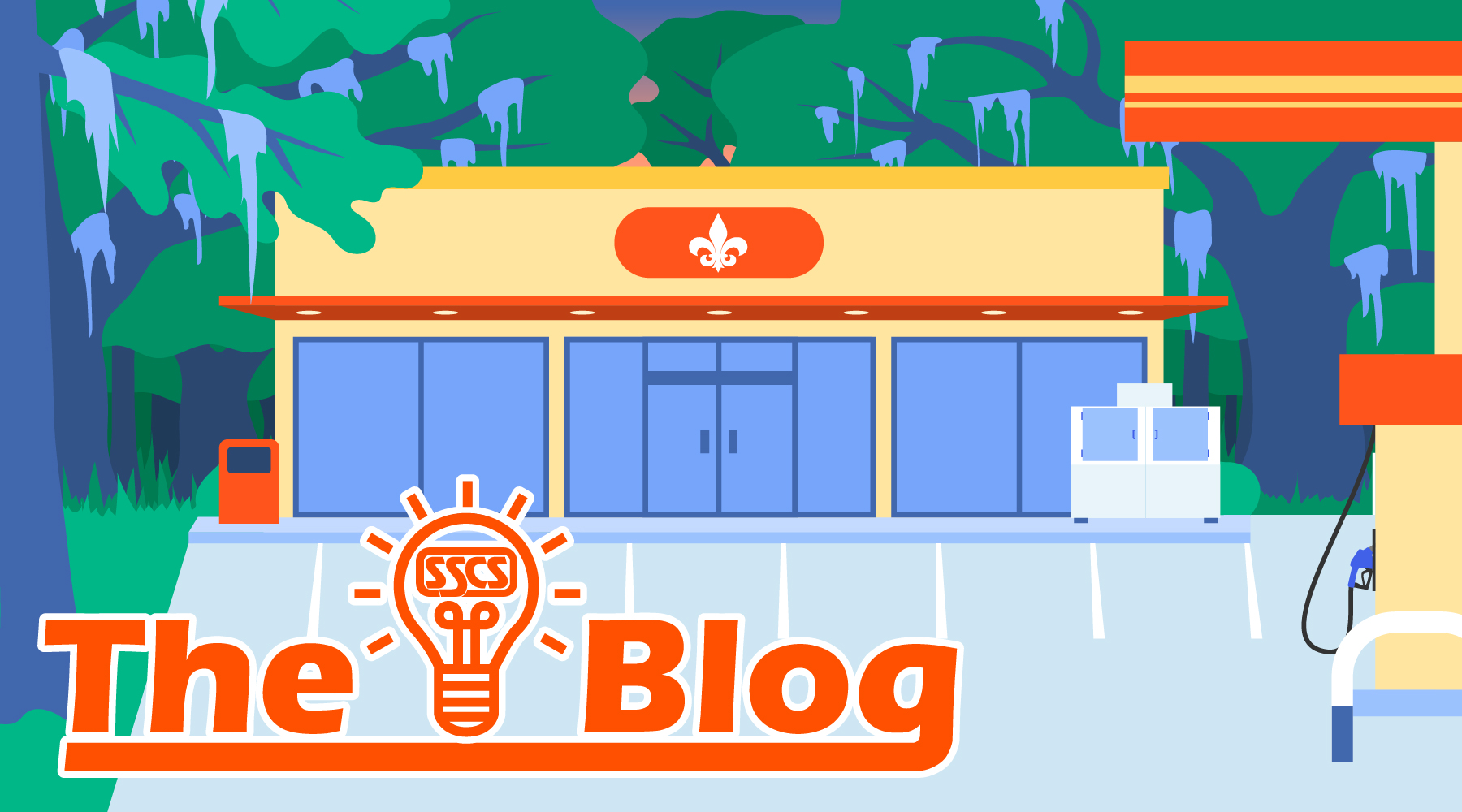
Cajun Country, west of New Orleans, is pretty swampy; it’s dense with cypress trees and Spanish moss, too, giving it a distinct, memorable look. The French Canadian influence is everywhere. Residents speak English with a distinct, recognizable accent. The region is well-represented by movies, music, high profile NFL quarterbacks, and our lead blog image.
Cajun Country’s true claim to fame, however, rests on food and cooking. The French tradition got mixed together with the local traditions of fishing, trapping, and farming, resulting in something else completely. Gumbo, Jambalaya, boudin sausage, and po’ boy sandwiches are a few of the distinctive dishes resulting from this mashup.
Many c-stores in the region reflect the richness of Cajun tradition. Yabbo’s Drive-Thru, a local independent chain with drive-through convenience retail, offers lunch plates include jambalaya, crawfish and shrimp stew. Vautrot’s Mini-Mart likewise has a generous regional menu, with boudin variations, a sub-menu of po-boys, and local specialties like fried corn and pistolettes stuffed with a variety of ingredients.
Pennsylvania Dutch Country (Lancaster, Pennsylvania and Surrounding Area)
Let’s now move from the Deep South to Eastern Pennsylvania, specifically the town of Lancaster, 60 miles west of Philadelphia. You might already know this area because it is where the Amish live.
In actuality, though, the Amish are part of a larger community known as the Pennsylvania Dutch[1]. The second part of the name, is a misrepresentation of “Deutsch” which means “German.” They’re descendants of settlers from Southwestern Germany and Switzerland in the 17th and 18th centuries.
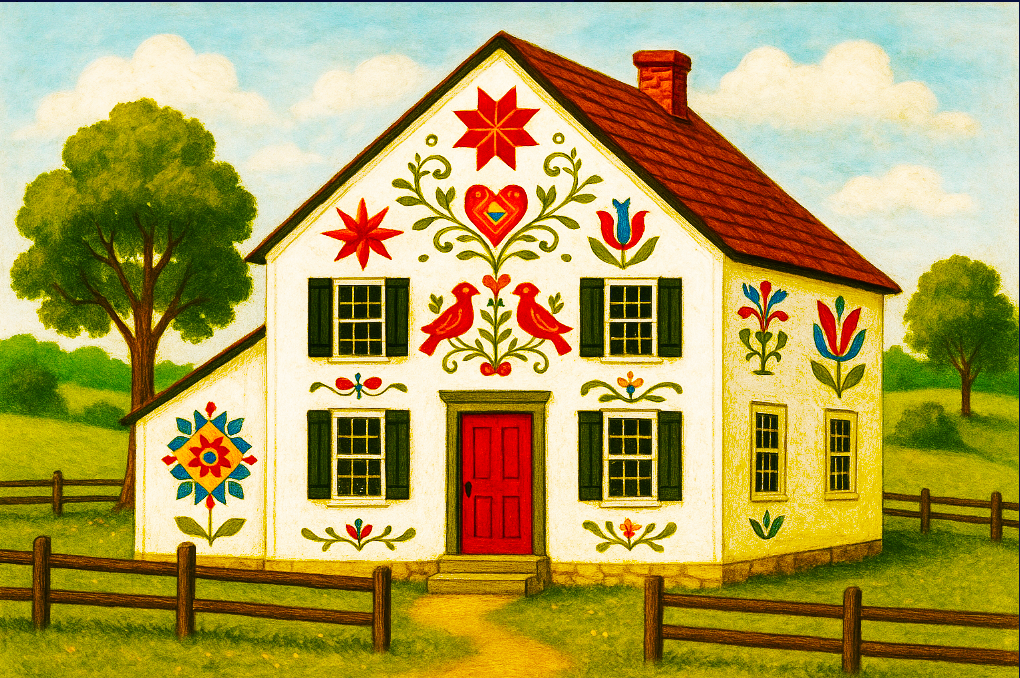
This is big time farmland, a lot of it related to dairy, and you’ll find no shortage of farmhouses, barns and silos spread across its rolling hills. But in the case of Pennsylvania Dutch Country, these structures are often distinctively decorated, in traditional reds and whites, with colorful, folk art motifs.
Distinctive faire you can order in Pennsylvania Dutch Country includes shoofly pie, a sweet and sticky molasses-based pie with crumb topping, and equally welcome at breakfast time or as a desert after dinner. Scrapple is a loaf made from pork scraps and cornmeal, sliced and pan-fried for breakfast. For a snack, you might try Fasnachts, yeast-raised doughnuts.
As for local c-stores, well, one of the most beloved is the Country Roadside Stand, known for homemade soft pretzels, apple butter, and homemade potato chips. They are strictly cash only, an Amish tradition. Another local favorite, family-run Bird-in-Hand Farmer’s Market[2], offers whoopie pies, hand-rolled donuts, soft pretzels, jams, and fresh produce. Amish vendors travel to it each week to sell their newest wares.
One of the best things about convenience store back office technology is that it applies across multiple regions, and that’s certainly the case with SSCS’s Computerized Daily Book back office and the customers across the U.S, that use it. If you’re looking for a back office system that can adapt to the needs of your business, wherever that may be, please give us a call at (800) 972-7727.
[1] “Bird-In-Hand” is actually the name of the town.
[2] It’s also the name of the dialect they speak.
Leave A Comment